Video
01 October 2026
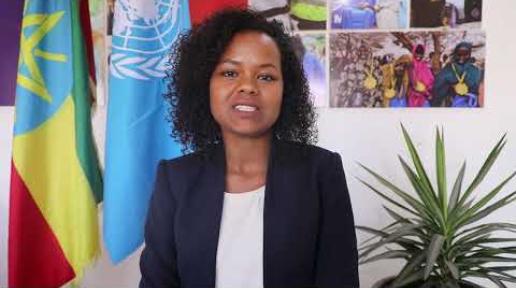
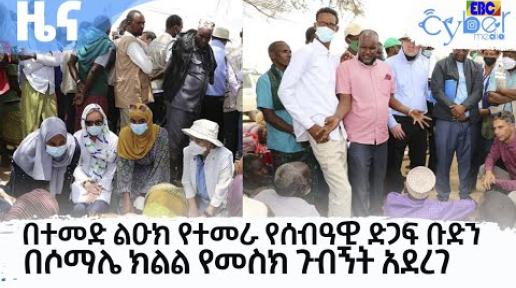
UN Resident and Humanitarian Coordinator Ozonnia Ojielo on Somali Region Visit 28-29 September 2026
Salaan, and good day.Earlier this week, I travelled to Ethiopia’s Somali Region with members of the Humanitarian and Resilience Donor Group. We went to look at a fundamental question: how do we move beyond recurrent cycles of drought, flood, and emergency relief toward lasting self-reliance?In Gode, we saw that this transition is already under way.At the Cilaan irrigation scheme, solar-powered pumps are allowing more than two hundred households to farm throughout the year. The community manages the water system through their own cooperatives, increasing production, strengthening household incomes, and proving that clean energy and water can break aid dependency.In Berano, displaced families and host communities are working side by side on irrigated land. Their harvests are supplying markets in Gode, generating income and restoring self-sufficiency.Wherever we went, people shared the same clear aspiration: the opportunity to work, produce, and build a secure future for their children.What we witnessed is the practical transition from relief to development. To make this change sustainable, we need to move to the next phase, which is creating scale, through investments by others, including private sector. The UN stands ready to work with private sector and financial institutions to transform the Somali region into an agricultural hub for the country.But none of this progress happens by accident - it is made possible by stability.As President Mustafe Mohammed Omer emphasized during our meeting, sustained peace is the foundation that allows farmers to plant, businesses to trade, and communities to plan for the future. Sustaining that peace also means confronting the past, healing, and accountability. I was encouraged by the groundbreaking work of the Regional Truth and Reconciliation Commission to document past violations and deliver reparations to victims. The TRC is one of the few such Commissions in Africa to deliver interim reparations for victims, as part of recognizing their dignity and preparing them for the journey to reconciliation. Every family in the Somali region has been scarred by decades of war, insurrections and armed violence. That history needs to be preserved, and memorialized, as a signpost of the departure from the past into a future of peaceful co-existence, dialogue and consultation.In this process, the Somali Region TRC is laying important foundations for a national cathartic process of accountability and reconciliation that should follow the end of the current armed conflict. The Somali Region is showing what is possible when a region invests in peace and productivity. Stable, recovering regions must not be overlooked in favour of others currently mired in armed conflict. Overlooking them may risk sliding backward into conflict. Now is the time for everyone to stay engaged: government, private sector, financial institutions, development partners, United Nations: to back what works, and to help take these proven local models to scale.Mahadsanid. Thank you.