International Day of Persons with Disabilities - Advancing Rights, Inclusion, and Dignity
Each year on 3 December, the world observes the International Day of Persons with Disabilities (IDPD) .
The International Day of Persons with Disabilities is commemorated to promote the rights and well-being of persons with disabilities and to deepen understanding of disability as an integral part of human diversity. The Day is led by the United Nations and aligns with the global commitment to leave no one behind across development, peace, and human rights agendas.
A UN Mandate for Inclusion
The observance is grounded in international human rights law, particularly the Convention on the Rights of Persons with Disabilities (CRPD), which affirms that people with disabilities are entitled to the full spectrum of rights and freedoms on an equal basis with others. The CRPD reframes disability from a medical concern to a matter of rights, accessibility, and participation—calling on states to remove barriers, combat discrimination, and ensure meaningful inclusion in all areas of life.
IDPD also reinforces the principles of the 2030 Agenda for Sustainable Development and its Sustainable Development Goals (SDGs), which explicitly recognize disability inclusion as essential to ending poverty, improving health and education, achieving gender equality, and reducing inequality. From accessible infrastructure and inclusive education to decent work and digital inclusion, the UN system emphasizes that sustainable development is impossible without the participation of persons with disabilities.
Centering Women and Girls with Disabilities
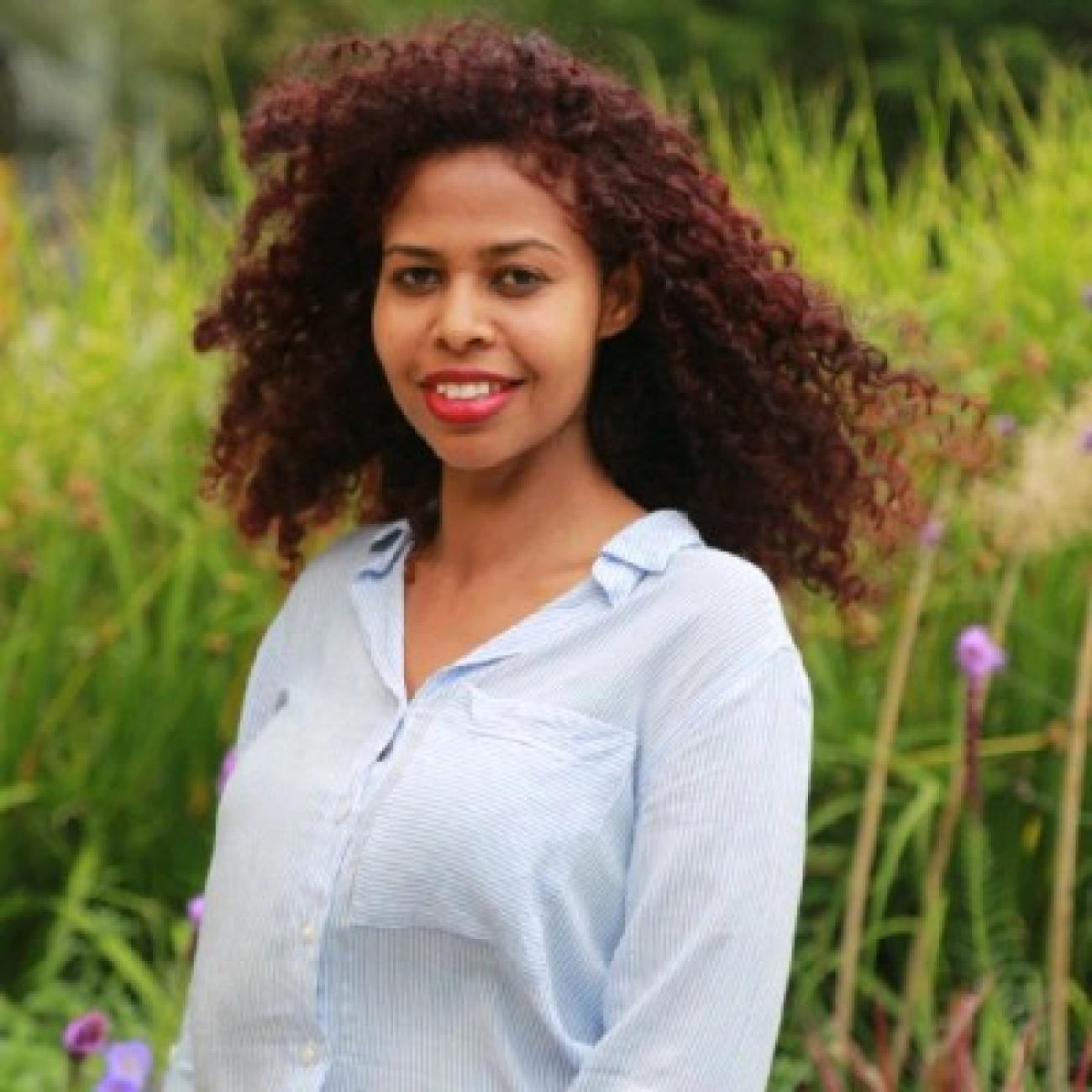
Gender and disability intersect in powerful ways. Women and girls with disabilities often face compounded discrimination, heightened risks of violence, and limited access to education and health services—yet they also demonstrate extraordinary leadership and resilience. Reflecting this reality, Ms. Martha Belayneh, Abilis Country Coordinator, states:
“Women and girls with disabilities face intersecting barriers to education, health, safety, and opportunity—yet they show remarkable resilience every day. My commitment is to ensure they are spoken with, not for, and centered as leaders in shaping the solutions that affect their lives. True progress means every woman and girl with a disability can live with dignity, freedom, and equal opportunity.”
Her words echo a core UN principle: policies must be designed with persons with disabilities, not merely for them. Participation transforms programs into partnerships and ensures solutions are grounded in lived experience.
From Charity to Rights: A Call to Action
Moving beyond charity toward rights-based inclusion is a defining theme of IDPD. Musie Tilahun, Executive Director, Ethiopian Lawyers with Disabilities, emphasizes the urgency of collective action:

“Inclusion is a fundamental human right, not charity. Persons with disabilities are innovators, leaders, and catalysts for change, yet millions face persistent barriers in education, employment, health, technology, and justice, preventing them from reaching their full potential,” says Musie.
“I urge Governments, the private sector, civil society, and UN agencies must act decisively and collectively to remove these barriers. Building inclusive societies is not only a moral duty but an urgent global necessity for equitable progress, shared prosperity, and the full realization of human potential worldwide.”
This call reflects the UN’s multisectoral approach—engaging governments, business, civil society, and communities to build accessibility into systems from the start, whether in schools, workplaces, transport, courts, or digital platforms.
A Shared Future, Without Barriers
International Day of Persons with Disabilities is both a celebration and a challenge. It celebrates the contributions of persons with disabilities worldwide- and challenges us to dismantle the barriers that persist. Guided by the UN’s human rights framework and the leadership of advocates like Martha Belayneh and Musie Tilahun, the path forward is clear: inclusion is not optional. It is the foundation of dignity, equality, and sustainable development for all.



UN entities involved in this initiative
Goals we are supporting through this initiative